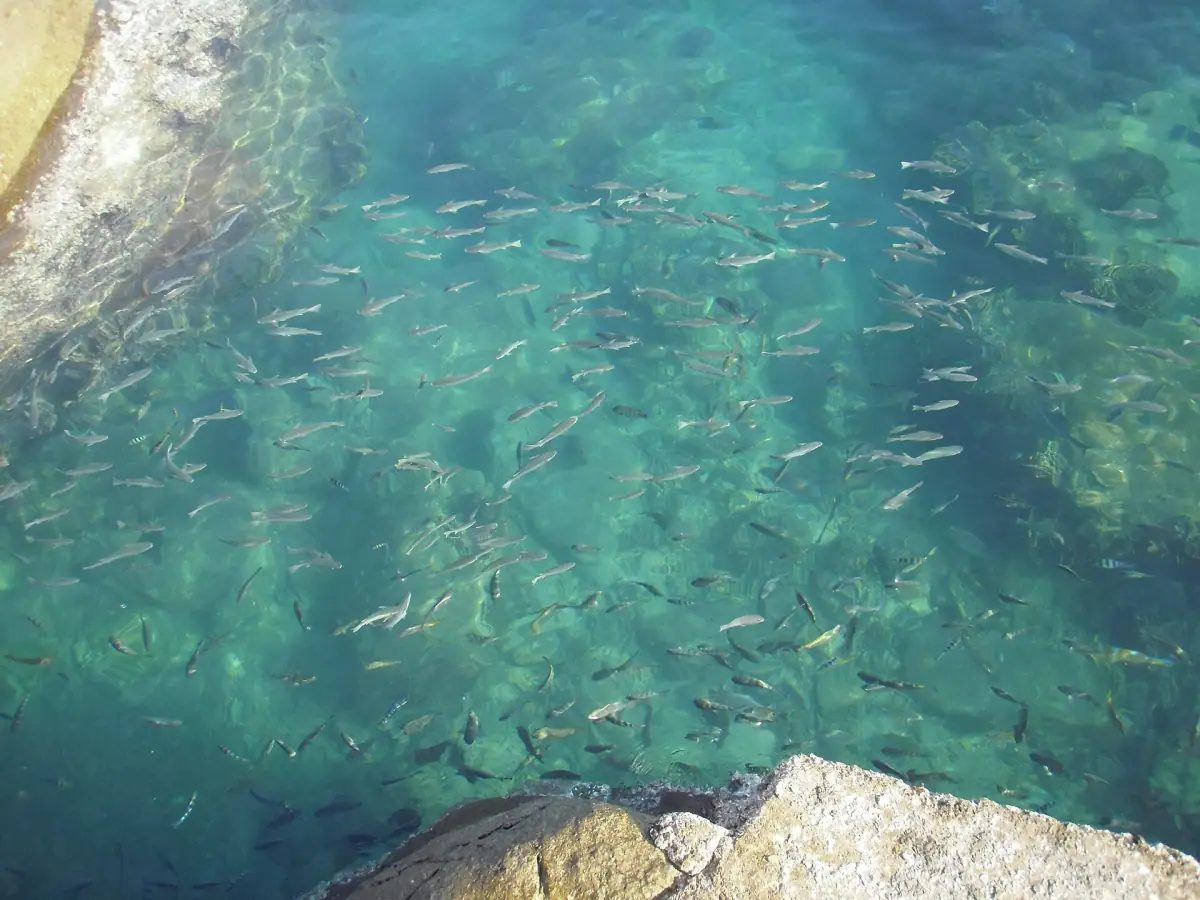
Koh Samui diving: which trip fits you
Scuba diving from Koh Samui means a day on a dive boat. The trips on offer fall into two groups. A discovery dive is for beginners: an instructor takes you down twice, with no certificate needed and none issued. The Sail Rock day trip is for certified divers only; beginners are not accepted. If you would rather stay at the surface, a snorkelling day trip is a third choice.
All three include pickup from the main beach areas, equipment and lunch, so you only need to bring swimwear, a towel and your certificate if you have one.

Our picks: diving from Samui
Sail Rock is for certified divers; the discovery dive is for anyone who has never dived.
Hand-picked tours, booked through GetYourGuide. Prices are indicative starting prices in US dollars (as of October 2026). Tap a tour for live availability and the current price in your currency.

Discovery dive at Koh Tao or Sail Rock
- Two dives with an instructor
- Equipment and insurance
- Transport and buffet lunch
A seven-hour day that gives you a first taste of diving without needing a certificate. The dives do not count as a certification.
Check availability →Sail Rock dive day trip
- Scuba equipment
- Lunch and soft drinks
- Hotel pickup Maenam to Lamai
For certified divers, not for beginners. Pickups outside the Maenam to Lamai stretch cost extra.
Check availability →Dive trips and snorkelling from Koh Samui
Discovery dives for beginners, Sail Rock trips for certified divers and snorkelling days.
Dive trips compared
What the dive trips from Samui include.
| Trip | Who it is for | Length | Included | Not included |
|---|---|---|---|---|
| Discovery dive to Koh Tao or Sail Rock | Beginners without a licence | 7 hours | Two dives, instructor, equipment, insurance, Thai buffet lunch, drinks, transfer between Maenam and Lamai | Certification, towel |
| Day trip diving at Sail Rock | Certified divers only | 9 hours | Scuba equipment, lunch, water, soft drinks, transfer from Maenam to Lamai | Beer, transfers from other areas |
| Snorkelling day trip | Everyone who is comfortable in the water | 7.5 to 9 hours | Snorkelling gear, life jacket, guide, meals, hotel transfer | Island fees on some routes |
For most first-time divers the discovery dive is the right start: it shows you whether you enjoy diving before you spend time on a course. Certified divers who want a well-known site in the Gulf of Thailand pick the Sail Rock trip. If you stay outside the pickup zone between Maenam and Lamai, expect an extra charge for the transfer.
Dive sites: Sail Rock and Koh Tao
Where the boats go.
Sail Rock
Sail Rock, also called Hin Bai, is a dive site in the Gulf of Thailand. It is reached by boat and reaches a maximum depth of 30 m. It is not a site for every beginner, which is why the Sail Rock day trip only takes certified divers; discovery dives that go there stay with the instructor.
Koh Tao
The discovery dive goes to Koh Tao or Sail Rock, depending on the day. Koh Tao is also the destination of the snorkelling day trips from Samui. Our Koh Tao page covers those trips and the ferry.
Visibility and marine life
Visibility changes with the weather and the season, and no trip can promise a set distance or a sighting. Treat every encounter with marine life as luck.
Snorkelling around Koh Samui
Snorkelling, a discovery dive and a dive course are three different things. Snorkelling needs no training: you float at the surface with mask, snorkel and life jacket. The snorkelling day trips from Samui go to Koh Tao and Koh Nang Yuan, to Ang Thong Marine National Park and to Koh Madsum, the island known as Pig Island.
For the Koh Tao trips, the Koh Nang Yuan island fee is paid in cash on the day. Ask your guide about the island rules, because fins may not be allowed around Nang Yuan. The boat trips page covers Pig Island and the shorter trips, and the Ang Thong page explains the marine park and its seasonal closure.
Jellyfish occur in the Gulf of Thailand. Avoid swimming after heavy rain and at night, and follow the warnings of the crew.

Learning to dive: the basics
If the discovery dive leaves you wanting more.
A certificate course follows a training standard, and PADI is one of the organisations that set it. Under PADI rules, the Open Water course starts at 10 years; divers under 15 receive a junior certificate. You fill in a medical questionnaire, and depending on your answers a doctor has to sign you off. The course includes a swim test: 200 m without aids or 300 m with mask, fins and snorkel, plus 10 minutes of floating or treading water. These are training standards, not Thai law, and they do not set a minimum age for every boat trip.
The discovery dive is not a course and does not lead to a certificate. It is the easiest way to find out if diving is for you.
Protecting the reef
Rules that apply on the water.
Thai national parks have banned sunscreen containing oxybenzone, octinoxate, 4-methylbenzylidene camphor or butylparaben since 3 August 2021. This applies in national parks such as Ang Thong, not on every beach. A reef-friendly sunscreen and a rash shirt are a good choice on any trip. Do not touch coral or animals, and keep your fins off the reef.
Diving depends on the sea. Rain on Samui peaks from October to December, and boats can be changed or cancelled in rough weather. The weather page has the monthly figures.


Diving from Koh Samui: frequently asked questions
Can I dive from Koh Samui without a licence?
Yes, on a discovery dive. An instructor takes you on two dives at Koh Tao or Sail Rock. You do not need a certificate, and the trip does not give you one.
Who can join the Sail Rock day trip?
Only certified divers. The trip does not accept people without diving experience. Sail Rock reaches a maximum depth of 30 m.
Is pickup included?
Yes, between Maenam and Lamai. From other parts of the island, the dive trips charge extra for the transfer.
Can I choose how far I see underwater?
No. Visibility changes with the weather, the season and the sea from day to day, and no trip can promise a set distance.
How old do I have to be to learn to dive?
Under PADI rules, the Open Water course starts at 10, with a junior certificate under 15. A medical questionnaire is part of the course. These are training rules, not a legal minimum age for every trip.